Types of honey: differences, flavours and crystallisation
Not all honey is the same. Colour, aroma, crystallisation time and flavour intensity vary enormously depending on the flowers the bees have visited. Here is a practical guide to the most common types — and how to recognise a quality honey.
1. Wildflower honey (Millefiori)
The most varied and unpredictable of all honeys. Every batch is different because it reflects the exact mix of flowers in bloom at the time of the harvest. Colour ranges from light amber to dark gold; the aroma shifts from floral and fruity in spring batches to more resinous and complex in summer ones.
Wildflower honey crystallises within a few months — perfectly natural. It is not micro-filtered or subjected to intense heating, so as to preserve its aromatic profile and original characteristics as much as possible. This is the honey Florabella produces: raw, seasonal, numbered jar by jar.
Best with: yogurt, mature cheese, tea, or simply spread on toasted bread with salted butter.
2. Acacia honey
The most popular honey in Central Europe, and for good reason: it is light, very liquid, and crystallises very slowly — sometimes taking years. Its flavour is delicate and neutral, making it the preferred choice for those who dislike strong honey. Colour: pale straw yellow, almost transparent.
It comes from the black locust tree (Robinia pseudoacacia), which blooms for just 10–15 days in May. In Wielkopolska this is typically the first major nectar flow of the year.
Best with: mild cheeses, herbal teas, pastries and as a sweetener in drinks where you do not want to alter the flavour.
3. Linden honey (Tilleul)
Among the most valued in Poland and across Central Europe. It comes from linden trees (lime trees), which bloom in June and July and produce a powerful nectar flow. Colour: greenish-yellow when fresh, turning amber as it crystallises.
The flavour is intense, slightly mentholated, with a characteristic mild bitterness at the finish. It crystallises within 2–4 months into a fine, creamy texture. With a complex aromatic profile that includes flavonoid compounds.
Best with: hot water and lemon, on toast, or in hot drinks for its intense aromatic character.
4. Buckwheat honey
Dark, almost mahogany, with a strong and pungent flavour — not for everyone, but those who love it, love it deeply. It comes from buckwheat fields, which bloom in summer. With a higher phenolic compound profile compared to lighter honeys.
Crystallises quickly into a dark, dense paste. In Poland it has a long tradition and is a honey with a particularly complex composition.
Best with: strong aged cheeses, dark bread, game meats. Also excellent dissolved in warm milk.
5. Forest honey (Honeydew)
Technically not a nectar honey — it comes from the sugary secretions of insects (aphids, scale insects) living on conifers and broadleaved trees, collected by bees. Dark, almost black, with a malty, woody, slightly resinous flavour.
With a significant mineral and oligosaccharide content. Crystallises slowly. Particularly prized by connoisseurs and by those who prefer complex, less sweet flavours.
Best with: sharp cheeses, dark breads, game, or as a finishing glaze on roasted meats.
How to recognise a quality honey
- It crystallises. Raw honey crystallises. The speed of crystallisation depends on the botanical origin, the glucose-to-fructose ratio, temperature and storage. Acacia honey, for example, can remain liquid for a year or more due to its naturally high fructose content. Crystallisation is a natural process — its presence or absence alone does not determine quality.
- It has a batch number. A transparent producer should be able to indicate the apiary, harvest period and the main botanical sources in the territory. Some commercially distributed honeys are blends of different harvests, years or origins; the label allows you to verify the declared provenance.
- The label says "raw" or "not micro-filtered". These terms mean the honey has been processed as little as possible.
- It has a complex aroma. Open the jar and smell it before tasting. Good honey has a distinct character — it should remind you of something specific: flowers, wood, meadow, fruit.
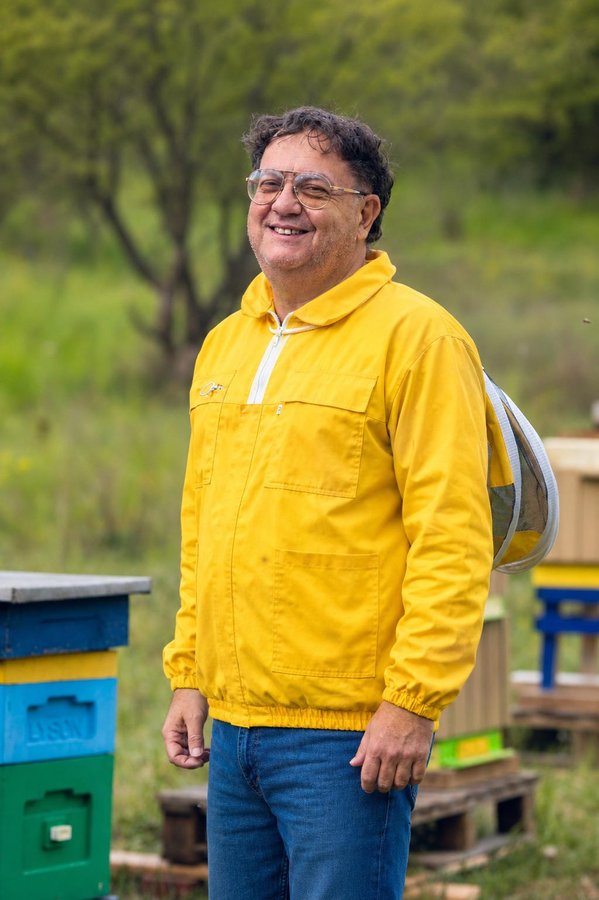
At Florabella we produce wildflower honey from our hives in Koziegłowy, Wielkopolska. Each batch is small, seasonal and hand-numbered. Discover our current batch →
Want to see where this honey comes from?
The Hive Circle follows two hives through a full season, up close. Limited places for Founding Members 2026.
Discover the Hive Circle →